
Flowers have long carried meaning, memory and symbolism. In Victorian times, floriography - the language of flowers - allowed people to express emotions and sentiments through plants and arrangements.
We will plant native wildflowers on every burial plot, appropriate to the site - shade, sunny wood edge or sunny path or glade edge. If you have a particular preference because a particular wildflower evokes a special memory, represents your loved one’s character, or simply brings comfort and beauty through the seasons, please let us know. We’re sharing some of the flowers on our list below as they have evocative connections to folklore, herbal traditions, poetry, local woodlands. Others are simply beloved native species that support pollinators and enrich the landscape around them.
WOODLAND AND SHADED AREAS
We have deliberately omitted some typical woodland flowers because either we feel they will come naturally, or because they need the wood to be considerably more developed before they will thrive here.
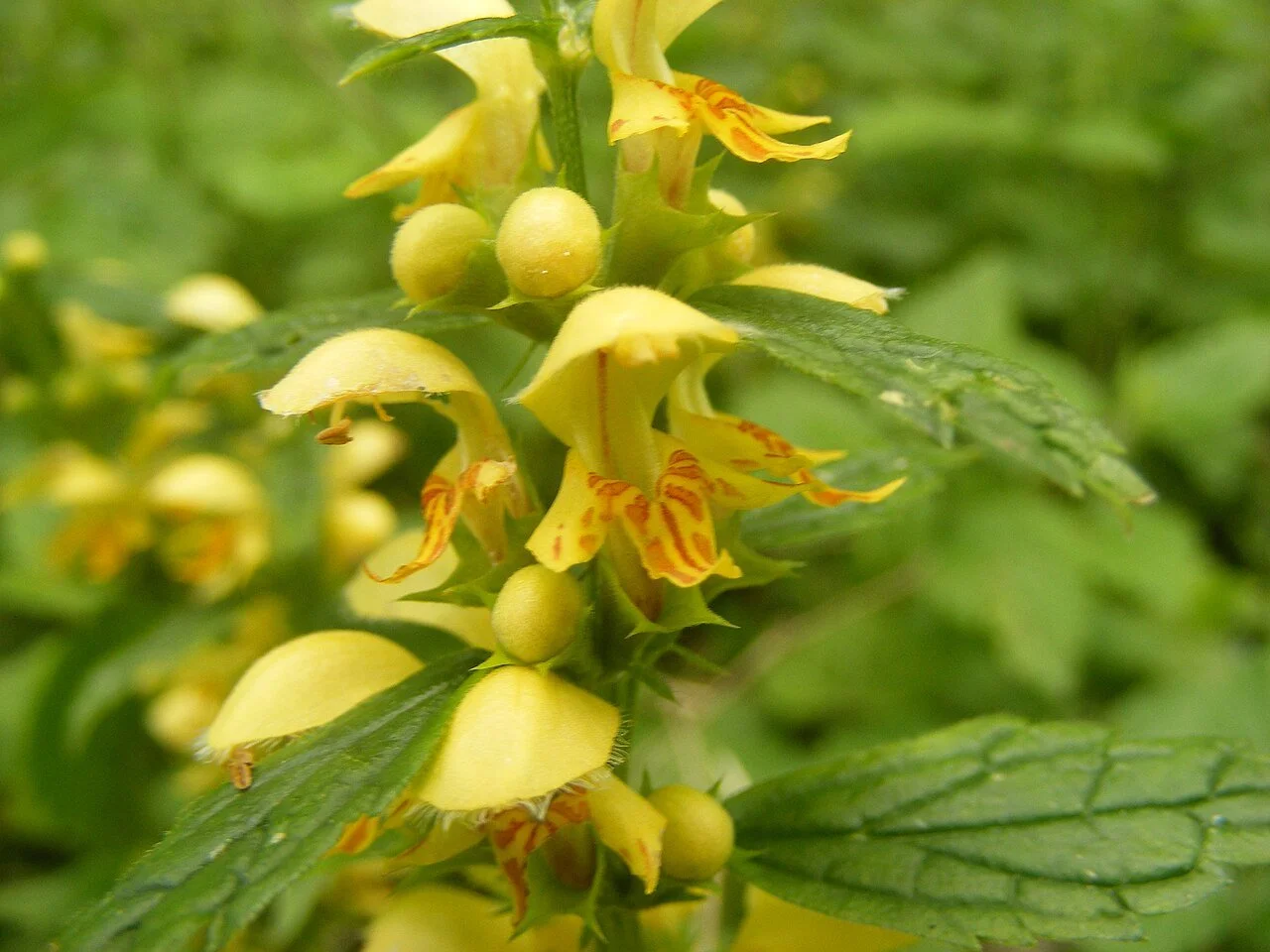
Yellow archangel | Lamium galeobdolon
Akin to a beautiful yellow deadnettle. It can carpet a woodland floor but is not very common in Suffolk - and should be distinguished from the non-native garden varieties! Visitors to Suffolk Wildlife Trust’s Arger Fen Nature Reserve may have spotted these there.
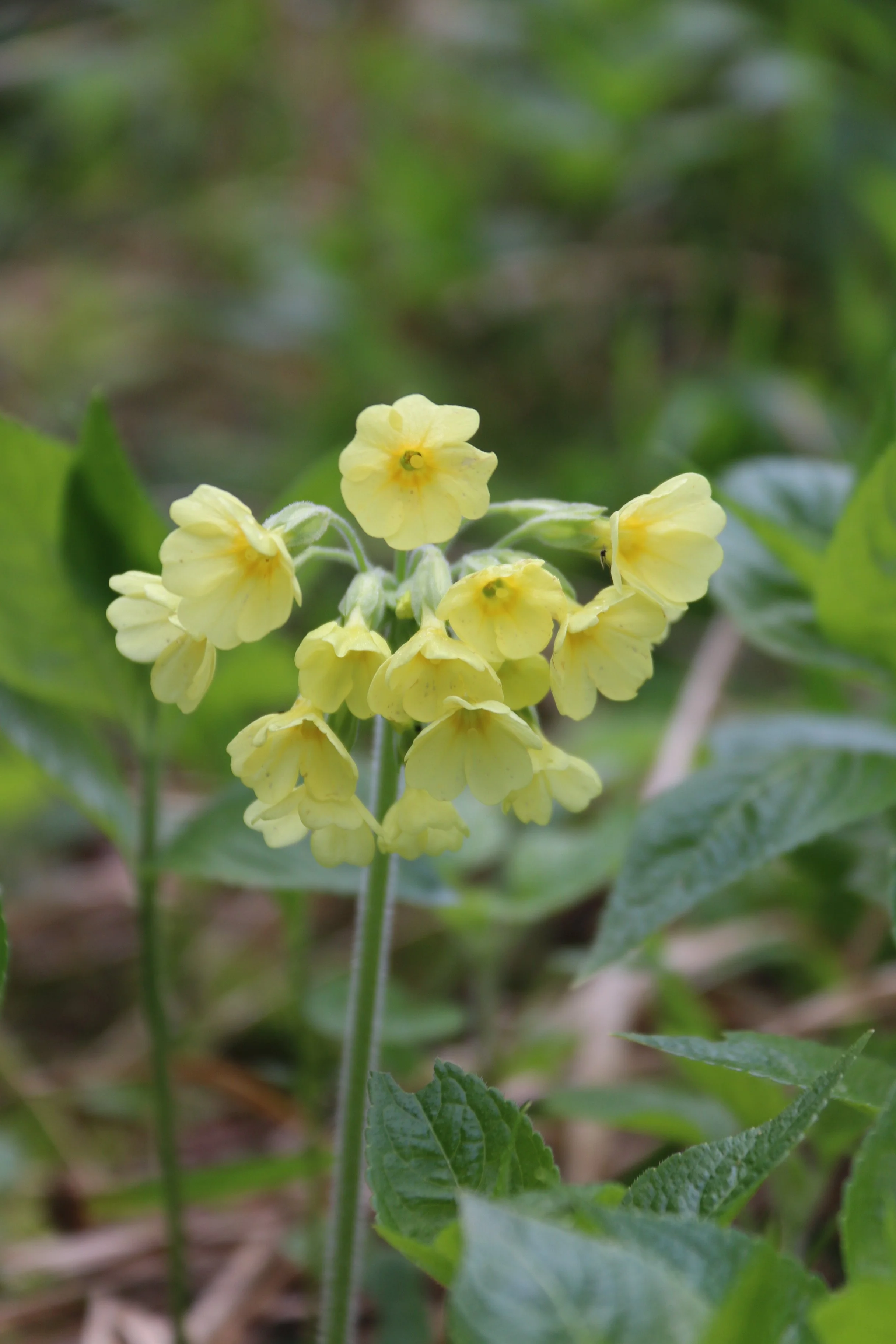
Oxlip | Primula elatior
This plant is mainly found in eastern England, especially in ancient woodlands on chalky boulder clay within a small, restricted area between Essex and Suffolk and around Cambridge. It has tall stems with drooping, pale yellow bell-shaped flowers and can be mistaken for primroses, cowslips, or their hybrids.
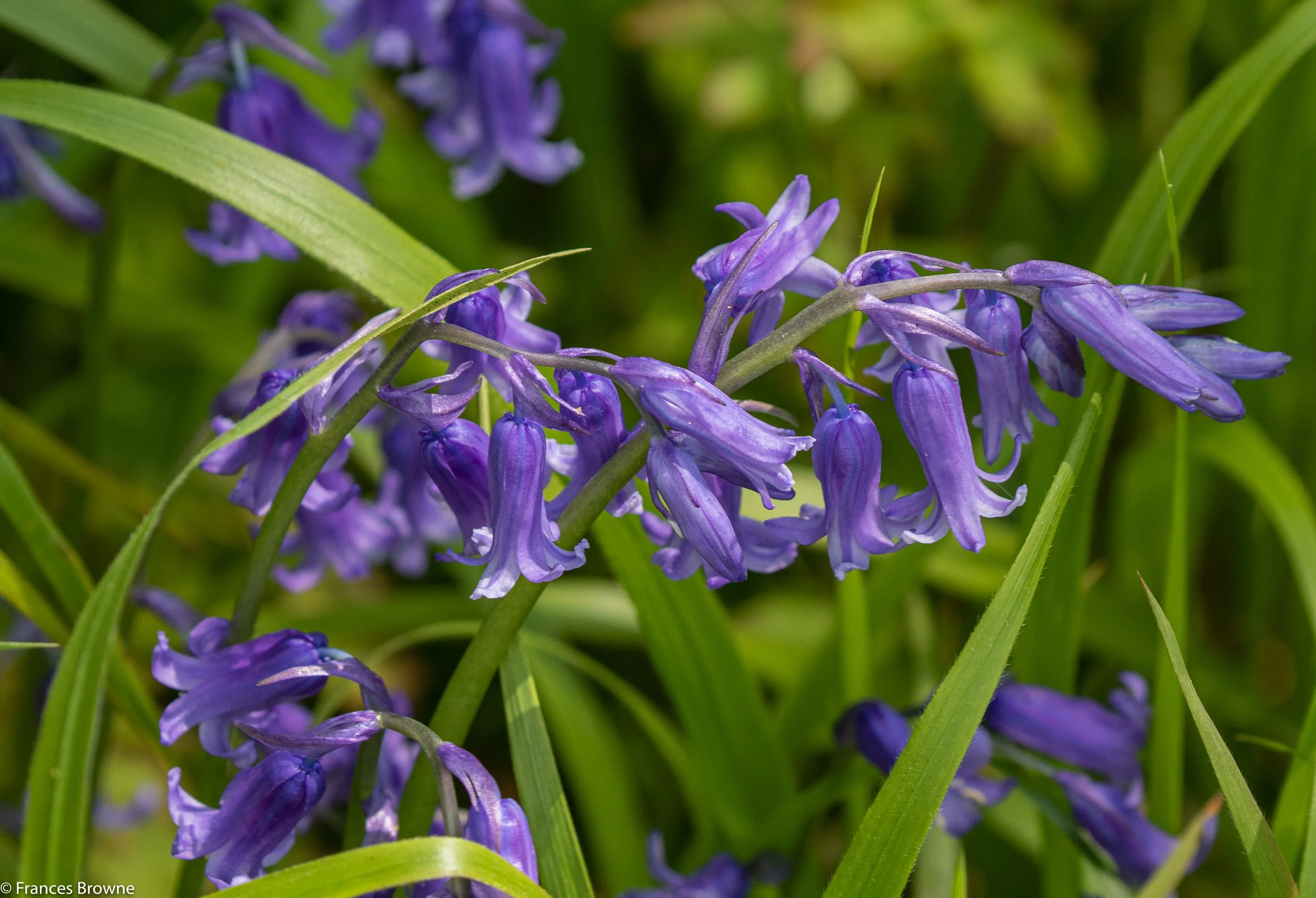
Bluebell | Hyacinthoides non-scripta
Often seen as Britain’s national flower, bluebells form striking blue carpets in spring woodlands. In dappled, moving light they can resemble water, inspiring writers like Gerard Manley Hopkins, who compared walking among them to moving underwater. Suffolk Wildlife Trust’s Groton Wood Nature Reserve is carpeted with these beautiful flowers in spring.
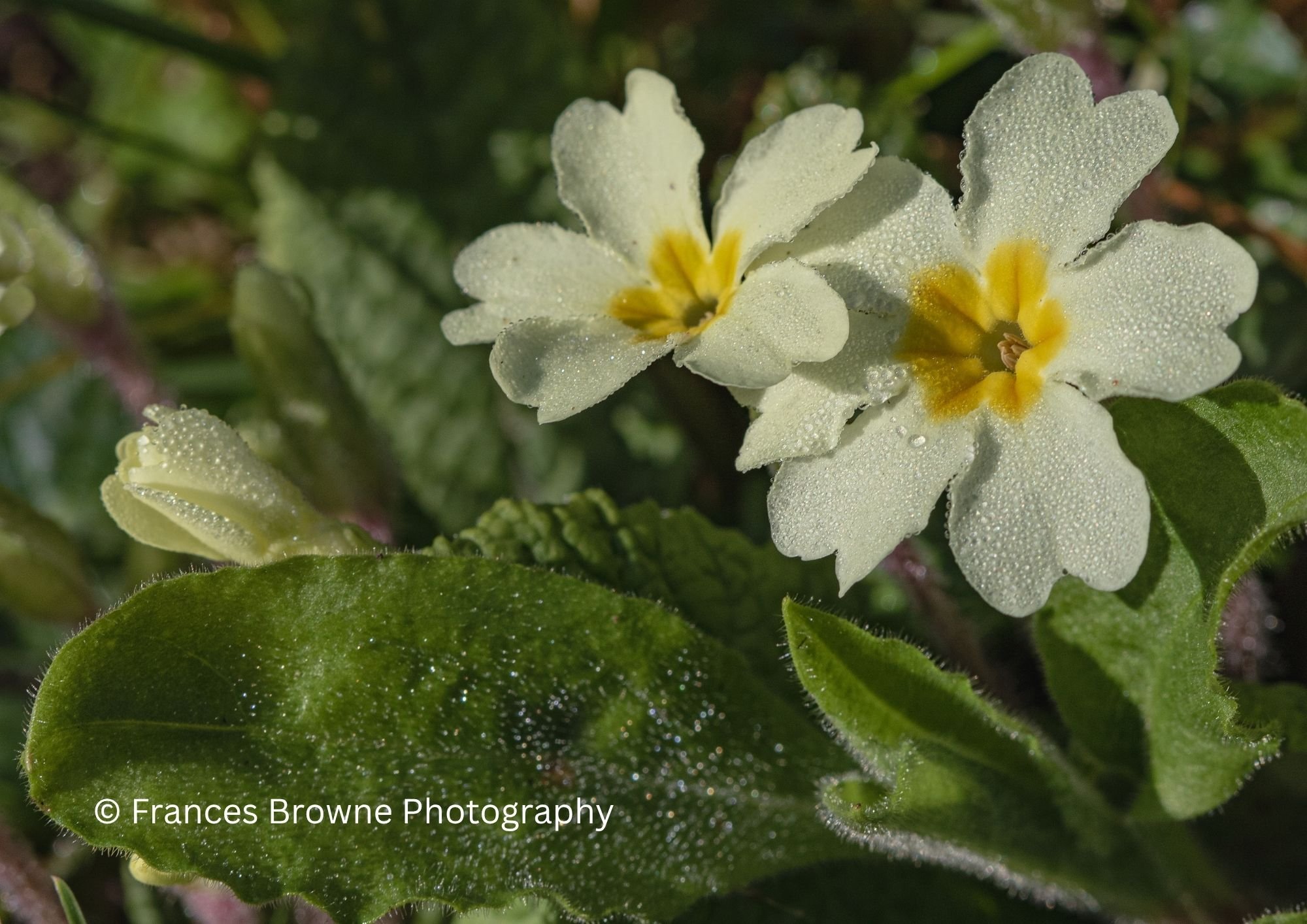
Primrose | Primula vulgaris
A much-loved native woodland flower symbolising eternal love, remembrance and lasting connection. Blooming early in spring, the primrose also represents youth, new beginnings and optimism, offering a reminder of renewal and enduring hope even after loss. See more details about the primrose here. Common in woods, along hedgerow edges and green lanes.
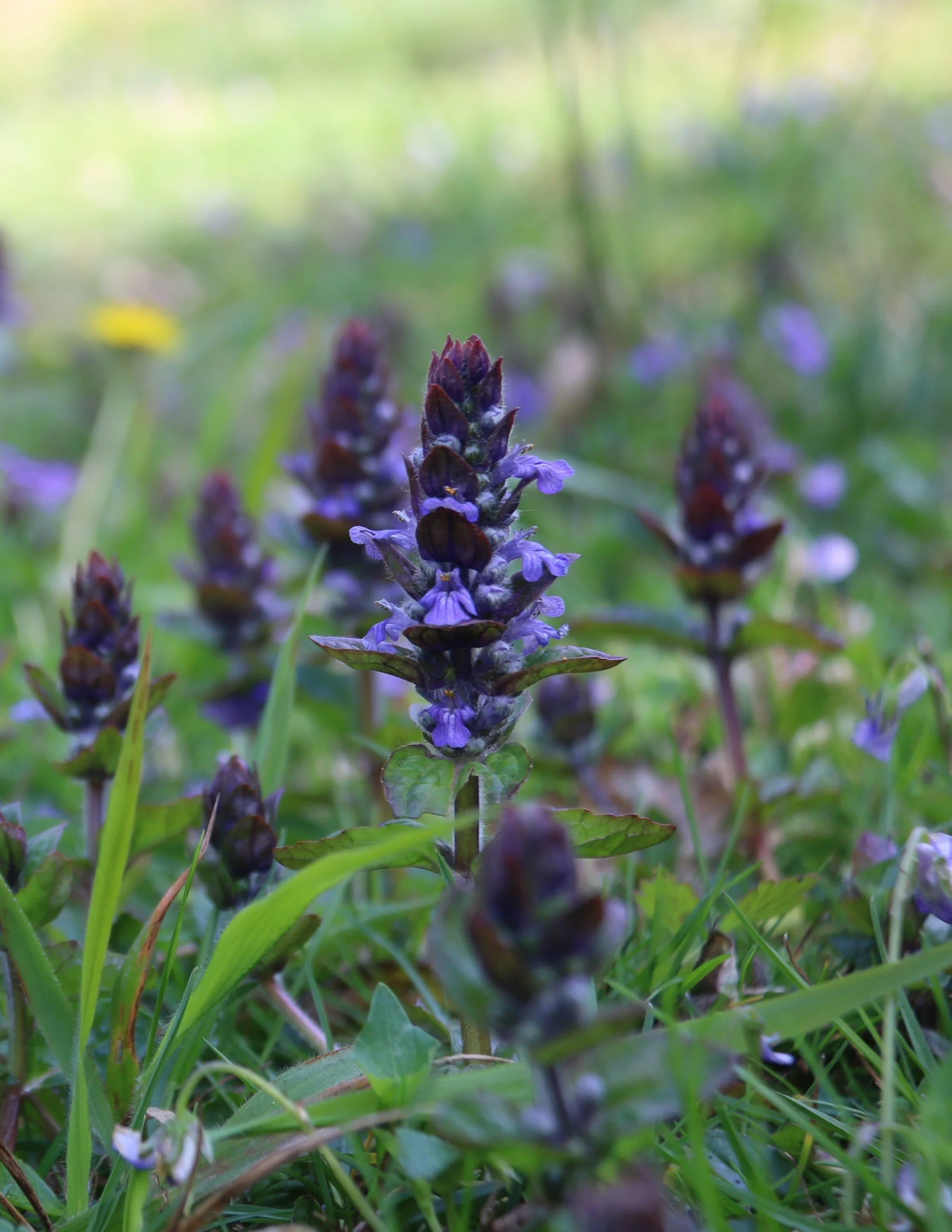
Bugle | Ajuga reptans
Striking blue flower spikes that bloom for a long time and can form dense evergreen ground cover in summer. Bugle is also beneficial for pollinators such as wild bees. Visitors to Bradfield and Bulls Wood Nature Reserves will have seen these growing along damp rides.
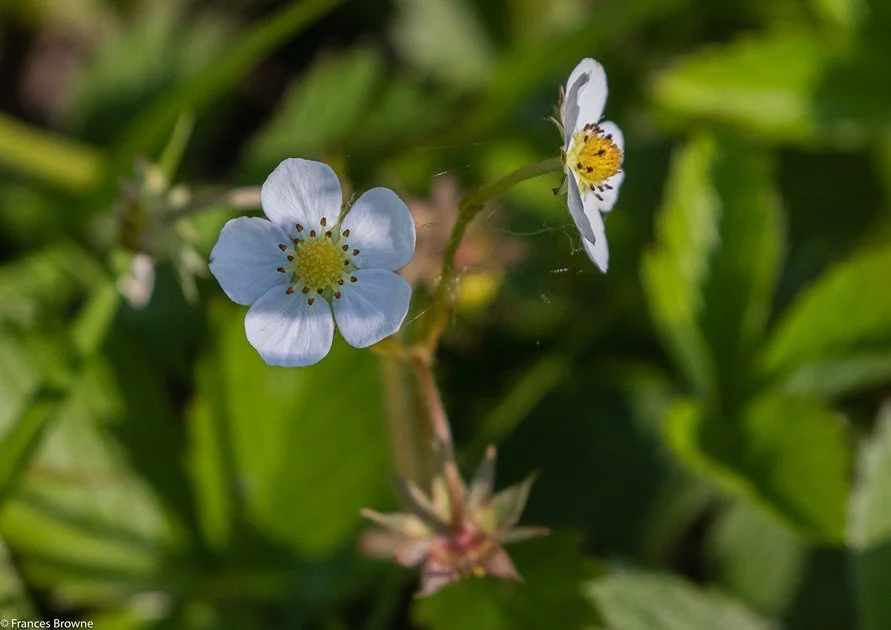
Wild strawberry | Fragaria vesca
It has spreading runners, shiny three-lobed leaves, and Tudor Rose–like flowers. Wild strawberry juice was historically believed to ease emotional distress and lift the heart, and Linnaeus even claimed he cured his gout by eating the fruit!
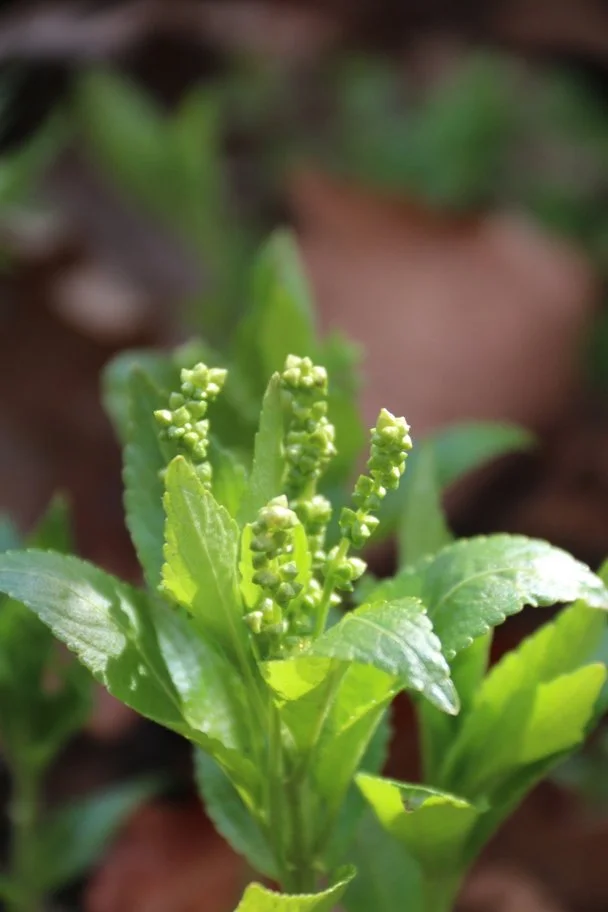
Dog’s mercury | Mercurialis perennis
Fountains of little yellow-green beads strung on a thread. Not a showy plant, but spreads by rootstock to create swathes of green for much of the year. These unassuming little flowers grow in most ancient woods in Suffolk.
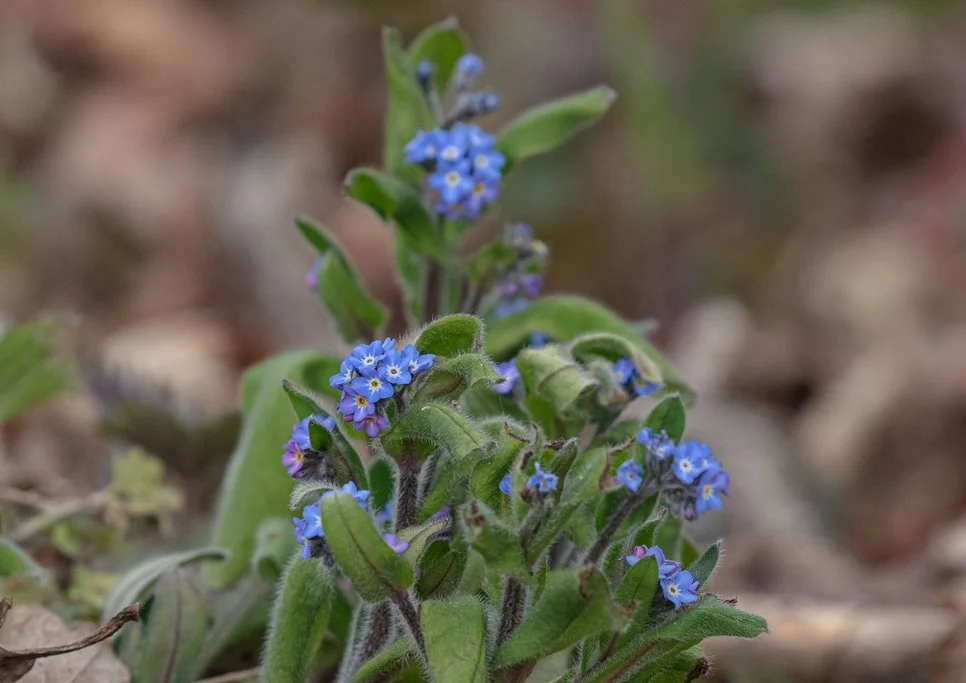
Wood forget-me-not | Myosotis sylvatica
This is the tallest and most upright of all the forget-me-not flowers and stands out in the shade of the woods. Remember your loved one with a forget-me-not!
GLADE OR RIDE EDGE
We have already sown the site with wildflowers from our nearby ancient meadow, so there are lots of locally characteristic native wildflowers and grasses establishing already. The wildflowers below therefore, includes a non-exhaustive list of species that are typical of sunny glades or rides within woodland and might take a while to get here naturally – and will thrive with cutting management. We have omitted annual species such as foxglove which would not survive in a perennial sward. The list below may well change over the years.
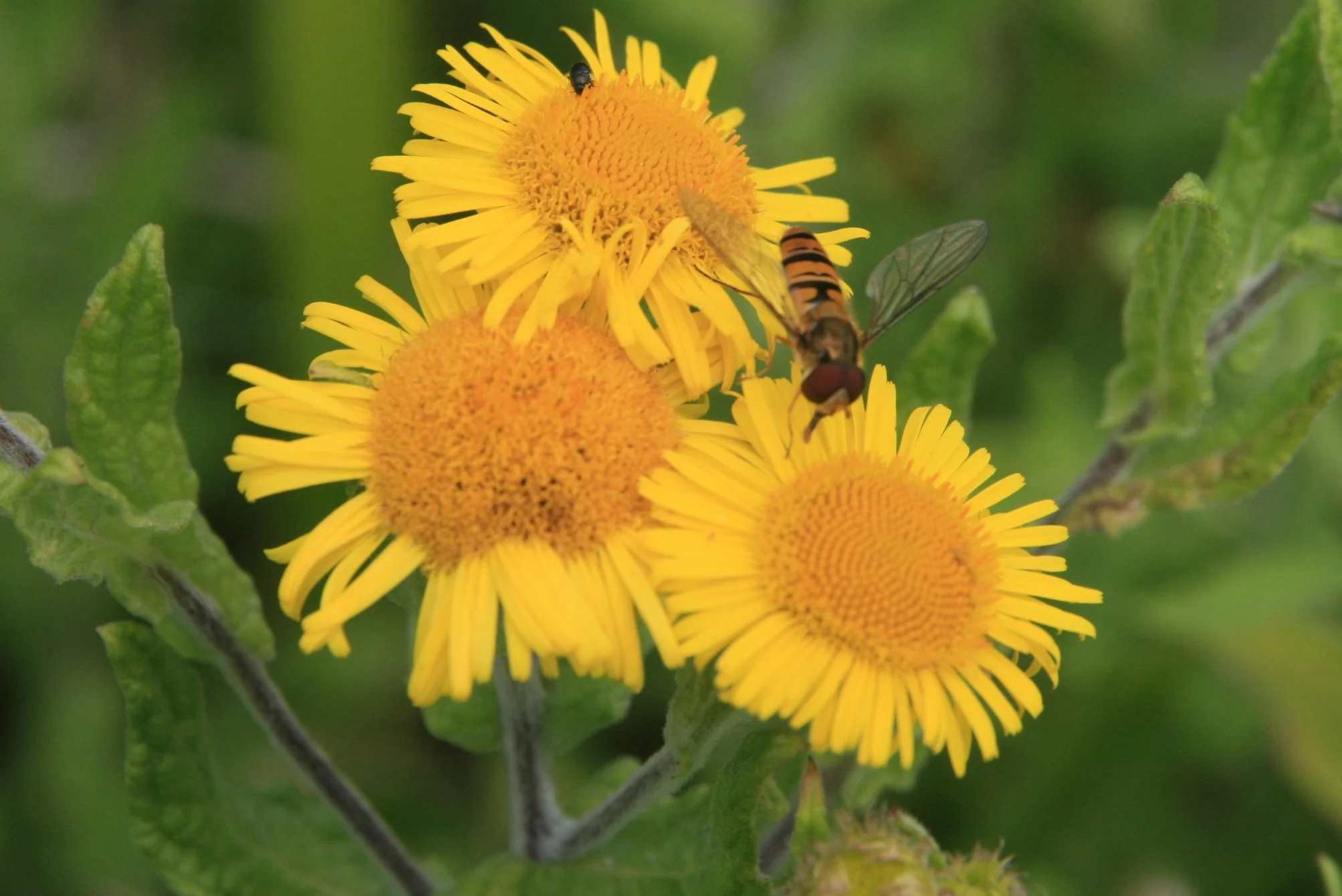
Fleabane | Pulicaria dysenterica
With its delicate, daisy-like flowers, traditionally, dried fleabane was scattered in homes to deter insects, giving rise to its common name. Its cheerful blooms appear through summer and into autumn, offering a valuable source of nectar for pollinators.
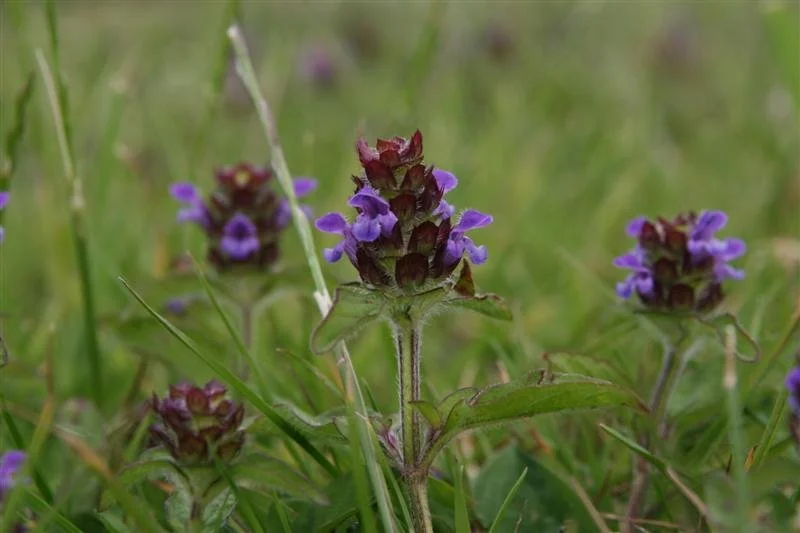
Self-heal | Prunella vulgaris
As its name suggests, self-heal has a long history in herbal medicine. Its rich purple flower heads attract bees and other pollinators, bringing life and colour to grasslands throughout early summer.
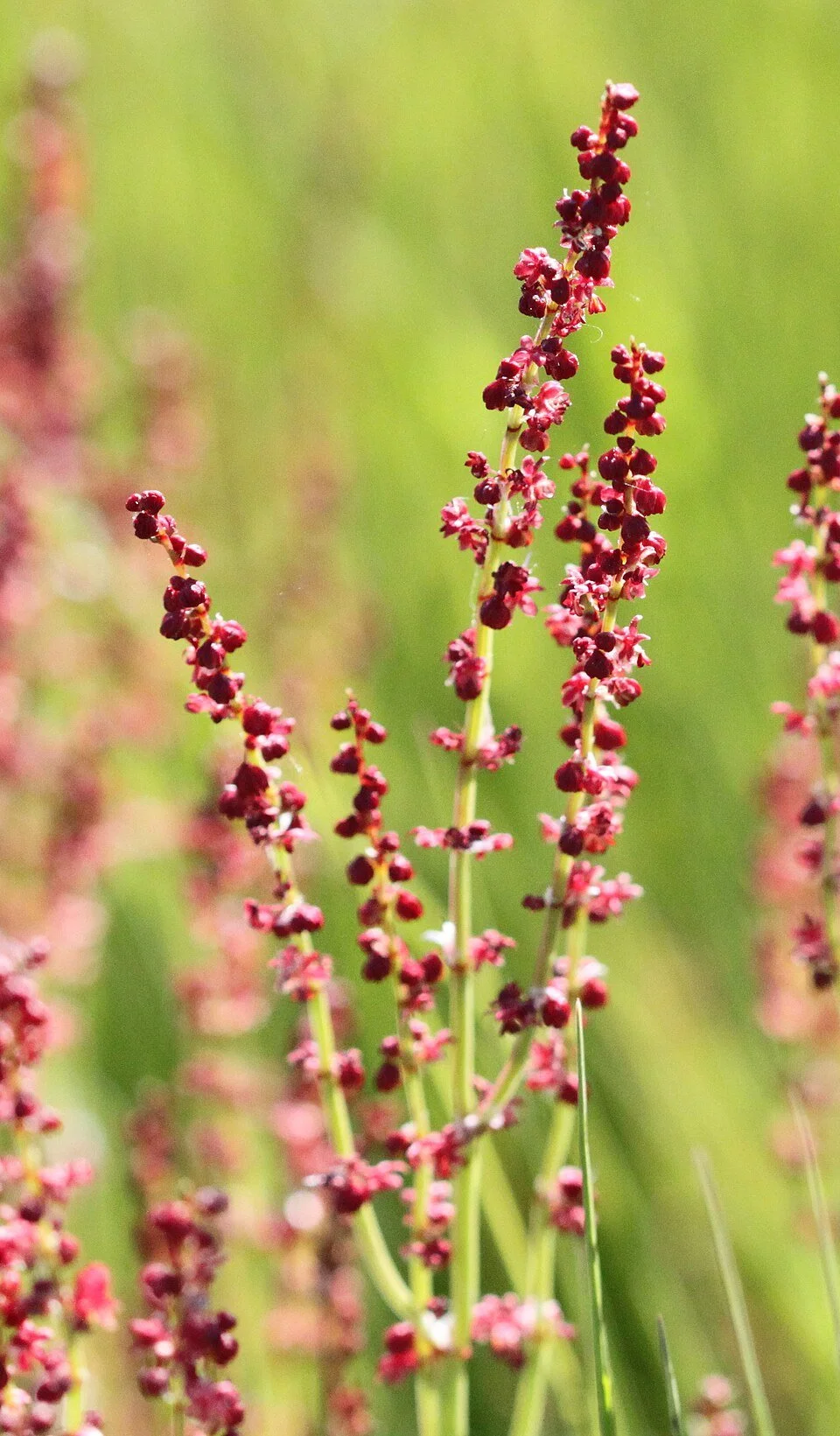
Common sorrel | Rumex acetosa
Common sorrel colours our meadows from May - July, with its slender stems and delicate crimson-pink flowers. Its arrow-shaped leaves have a distinctive sharp, lemony flavour due to their natural oxalic acid content. Sorrel was traditionally valued both as a food and for practical uses, including removing stains from linen.
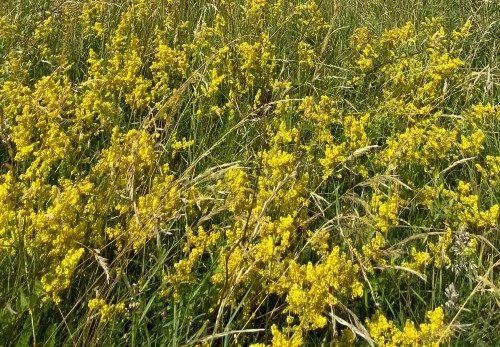
Ladies bedstraw | Galium aparine
Forming swathes of low-growing frothing bright yellow flowers, their honey-scent attracts lots of pollinating insects - and historically was used to make mattresses smell sweeter! It likes open, sunny areas so will do well in big glades within the wood.
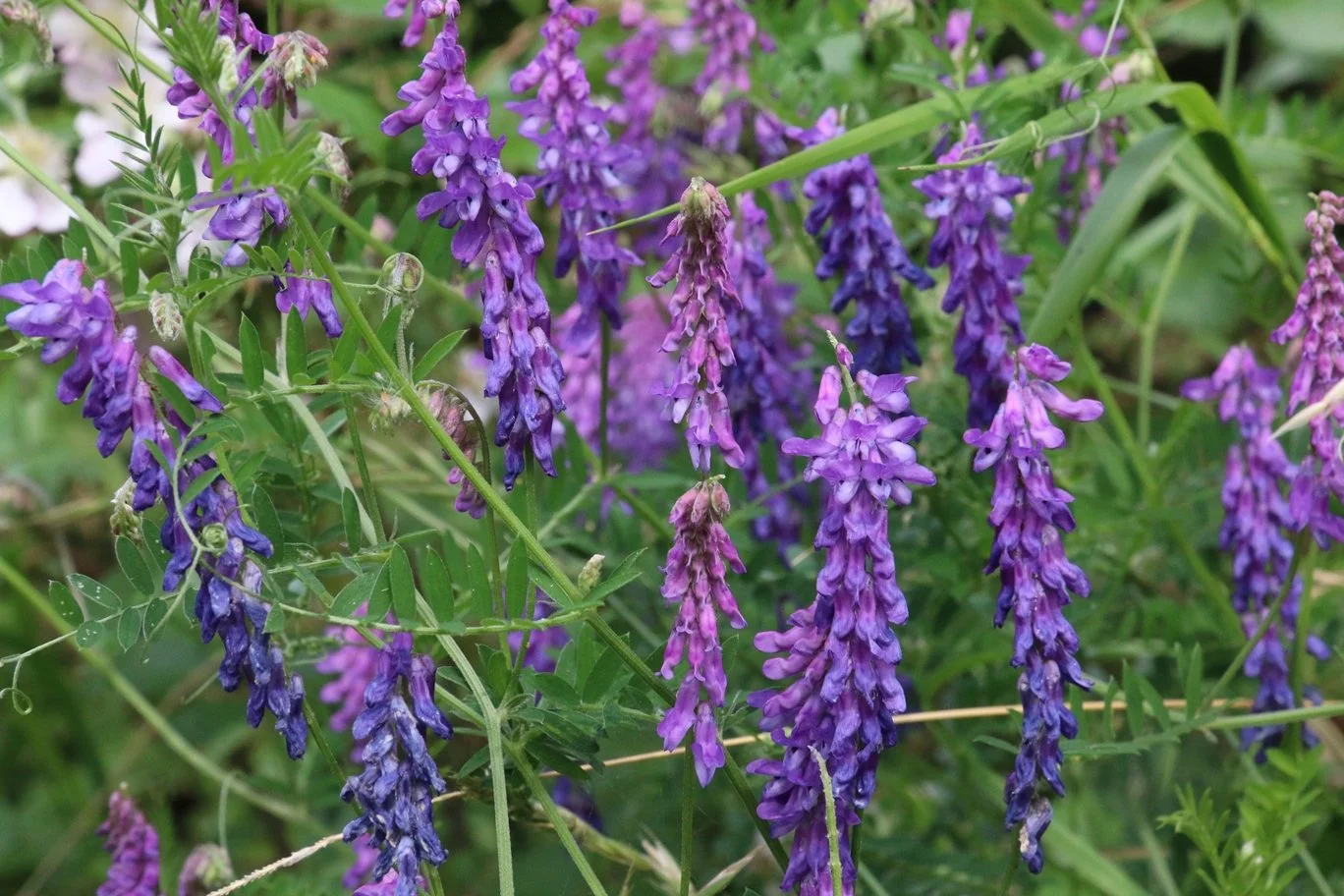
Tufted vetch | Vicia cracca
Also known as cow vetch or bird vetch, this scrambling plant is often seen weaving through meadows, hedgerows and woodland edges. Its spikes of violet-blue flowers bloom throughout summer, attracting bees, butterflies and other pollinators. This plant can evoke connection and the quiet ways living things support one another.
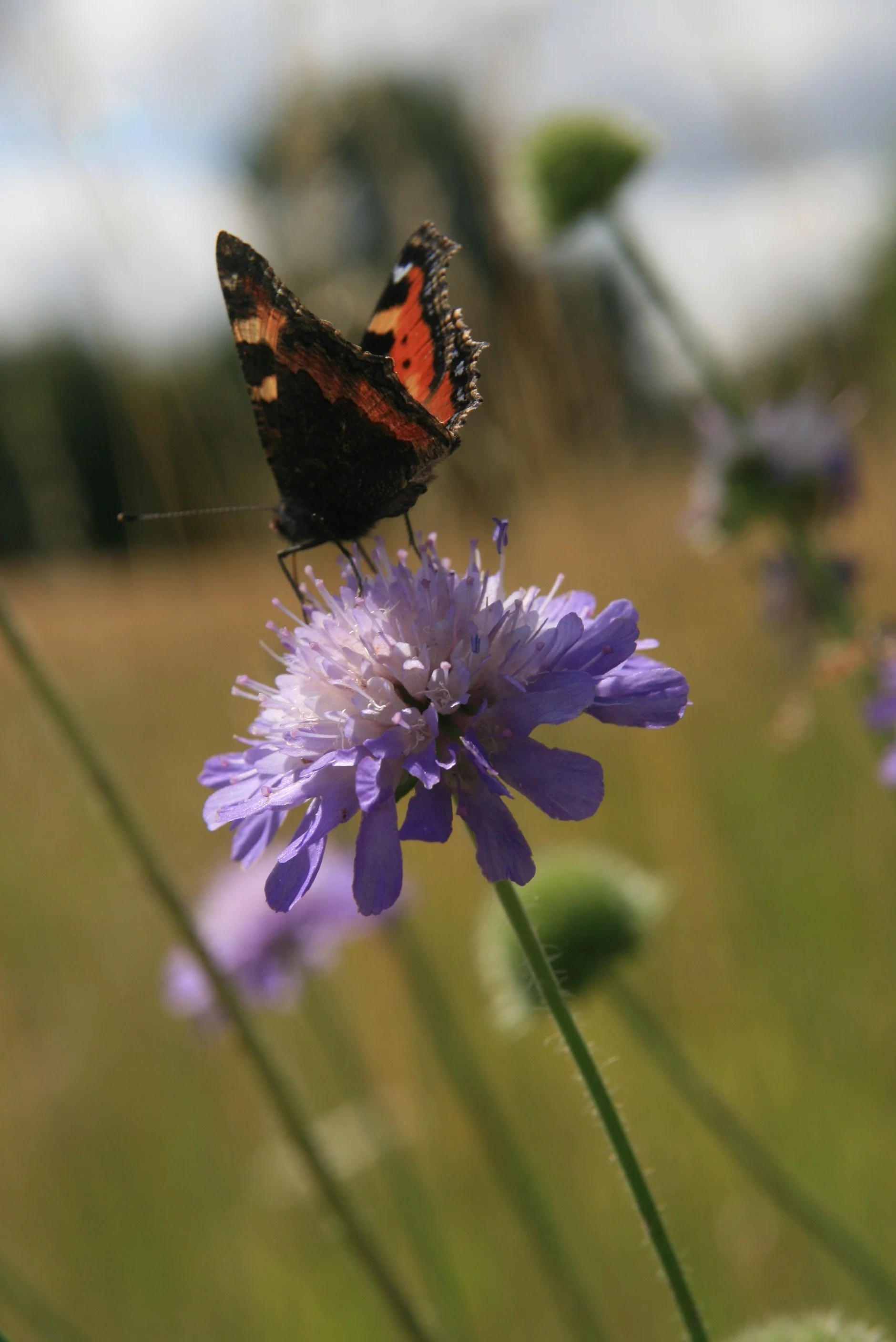
Field scabious |Knautia arvensis
The lilac pincushion-shaped flowers of field scabious sway above grasses on their tall stems in hedgerow and woodland edges, attracting butterflies, hoverflies and bees. Here a small tortoiseshell butterfly and marmalade hoverfly both nectar together.
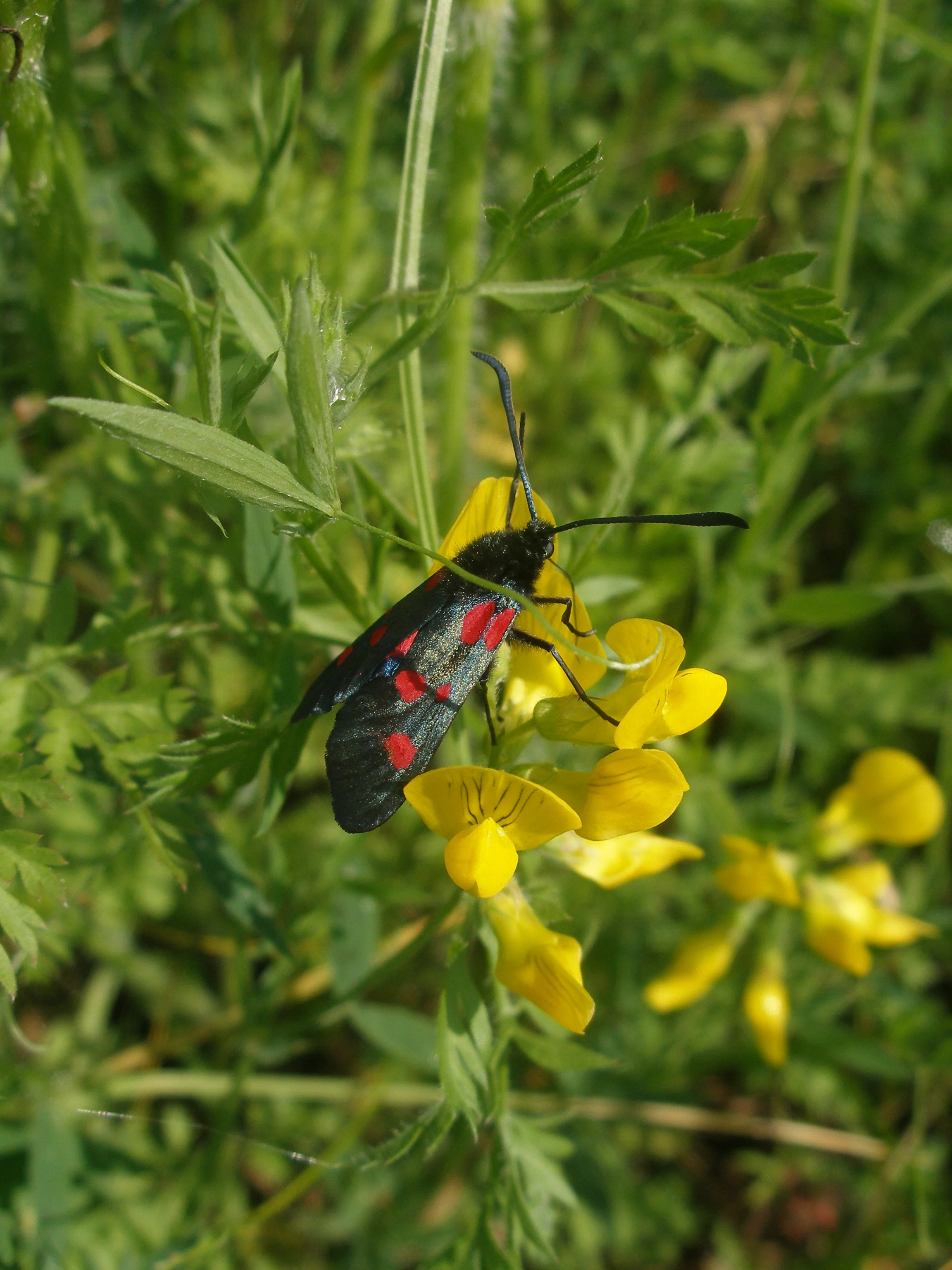
Meadow vetchling | Lathyrus pratensis
Bright yellow flowers bring a splash of sunshine to meadows throughout summer. This climbing plant weaves gently through surrounding grasses, symbolising companionship, friendship & interconnectedness. Moths absolutely love it - like this day-flying six-spotted burnet.
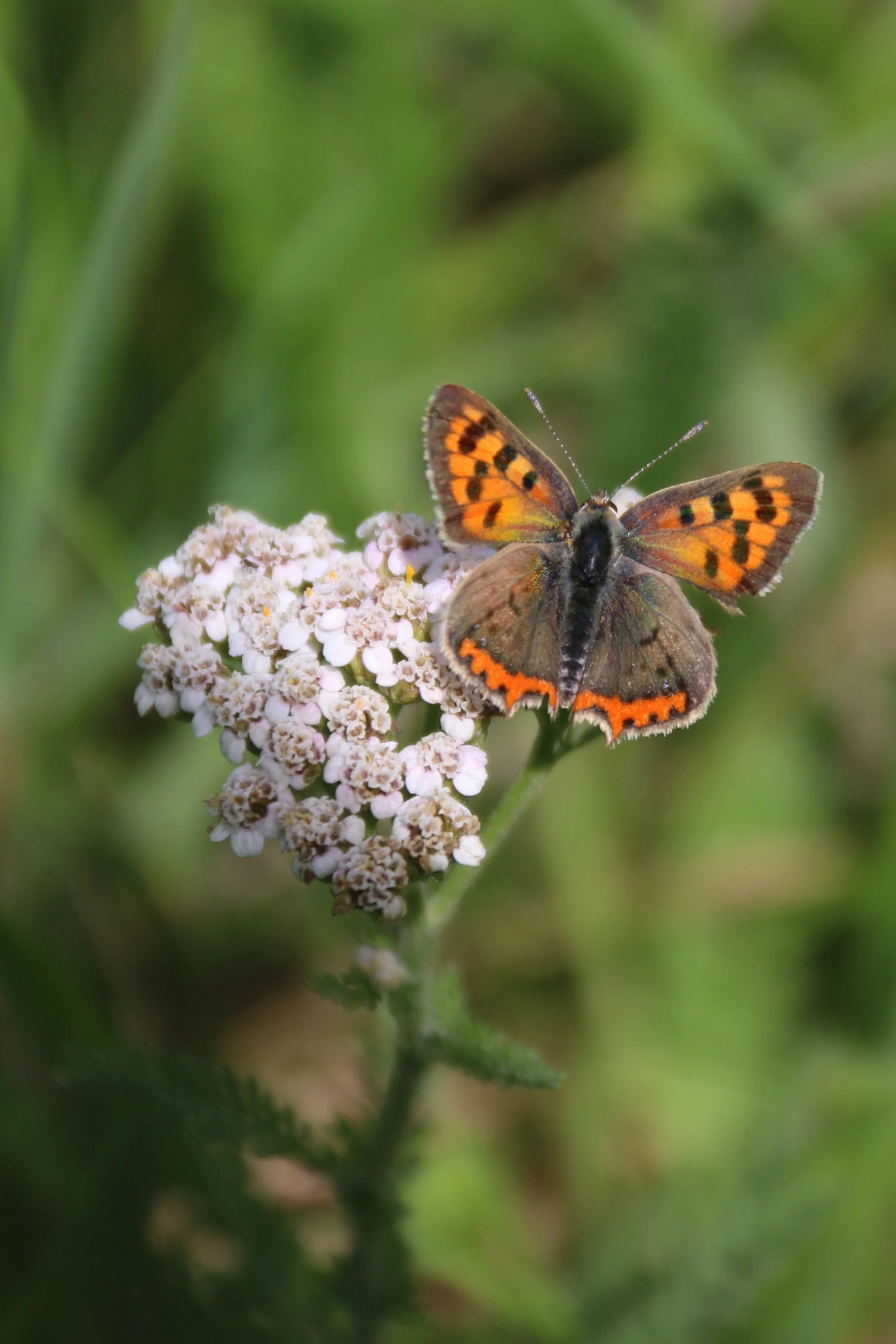
Yarrow | Achillea millefolum
Yarrow makes a nice tea and has been long been used in herbal medicine. The Greek hero Achilles was said to have treated his soldiers’ wounds, so has been associated with courage and recovery for centuries. Its white flowers provide a source of nectar over summer and into autumn, bringing lasting colour and life.