
TREES & shrubs
We will plant native broadleaved trees and wildflowers on burials within the woodland area (as opposed to establishing just wildflowers in the sunny, open glades and meandering paths). To ensure trees are given enough space to grow, single plots will share a tree with the next plot and double plots will have their own tree. These trees will be established and managed by us. In time, trees will require thinning (ie the removal of some when they get crowded) to allow the best trees to have room to develop, and traditionally coppiced in due course to create a beautiful broadleaved wood.
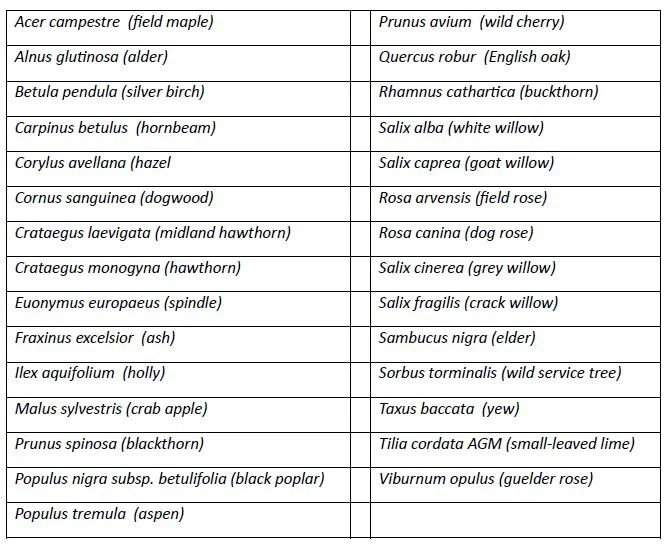
‘Meet’ some of the native trees and shrubs (photos below) that we will be regularly planting from this longer list which includes species we will occasionally plant. We have areas of mixed trees and shrubs, and some areas where there will be ‘stands’ of trees dominated by single species - we have given evocative, vernacular names to these areas to keep old tree names alive and to create memorable areas within the wood. If you have a preference for a particular tree species for a grave plot, please let us know. Several of the trees on the full list will only be planted occasionally.
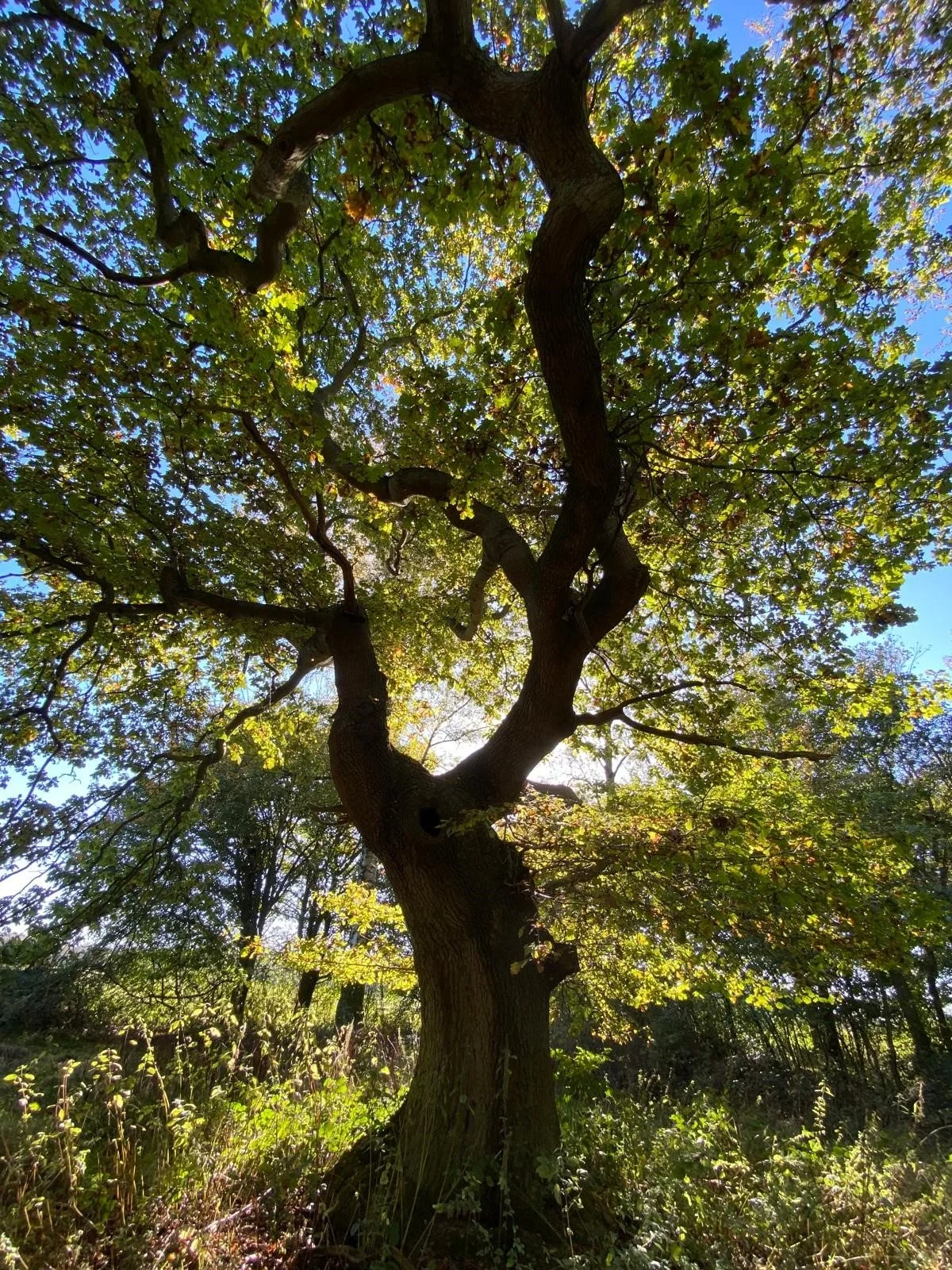
English Oak | Quercus robur
The oak is the undisputed leader of our native trees for supporting biodiversity - from a young tree to a veteran of 800 years! One single mature oak tree can can support an amazing 2,300 associated species -which depend on its leaves, its trunk, its acorns, and its roots. Insects including moths, butterflies and gall wasps; mosses, lichens and fungi on the trunk; owls, woodpeckers and bats nesting and roosting in tree holes; mice and birds feeding on acorns.
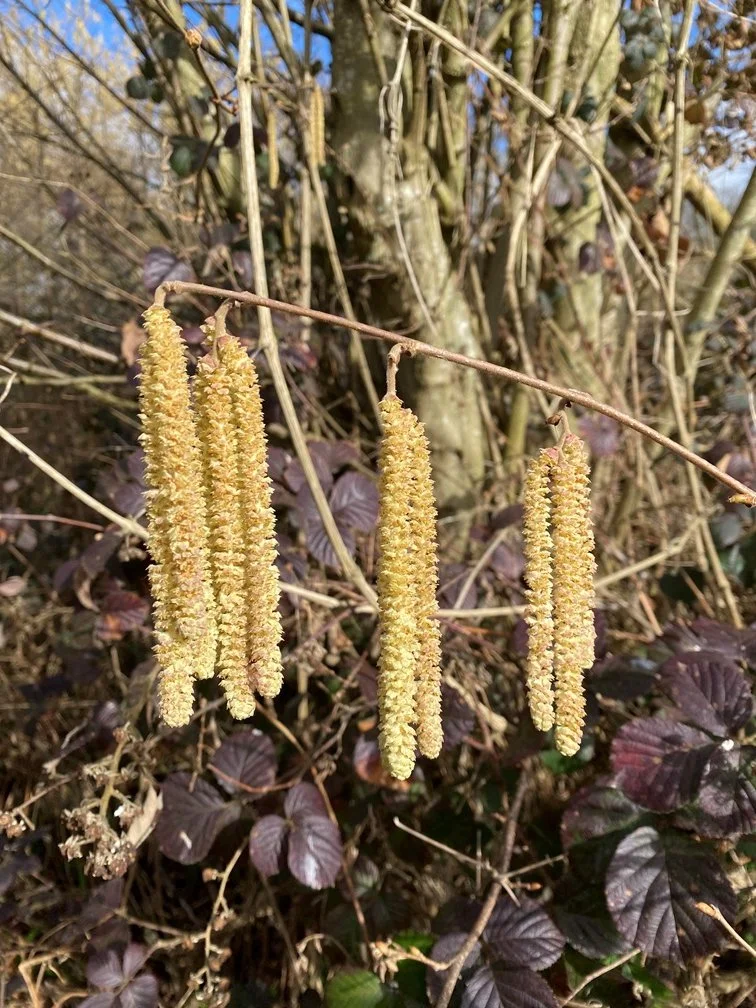
Hazel | Corylus avellana
Hazel - historically ‘Hassel’ or ‘Cob’ - are an essential component of the shrub layer of a wood, keeping it warm and providing nuts in the autumn. The walls of old Suffolk houses were made of wattle (hazel rods) and daub (soil, manure, straw). And we’d like to think that one day local thatchers will use coppiced hazel thatching ‘spars’ or ‘broaches’ from Primrose Wood to pin layers of straw or reed to thatched rooves.
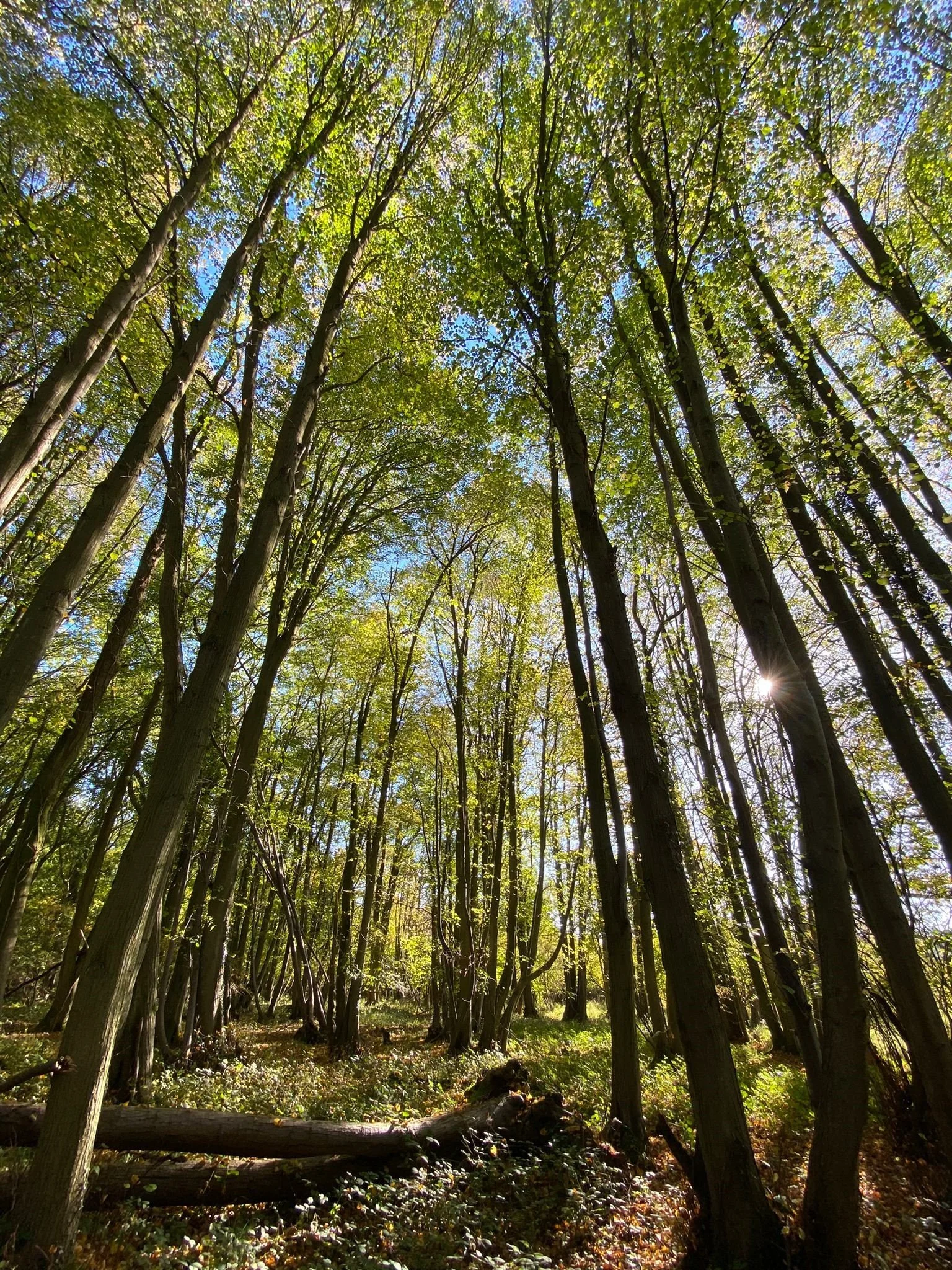
Small-leaved Lime| Tilia cordata
Known historically as the Lyne or Lynden tree, this gorgeous tree with heart-shaped leaves is very much locally characteristic in the ancient woodland of Milden Thicks Site of Special Scientific Interest nearby and in Suffolk Wildlife Trust’s Groton Wood Nature Reserve.
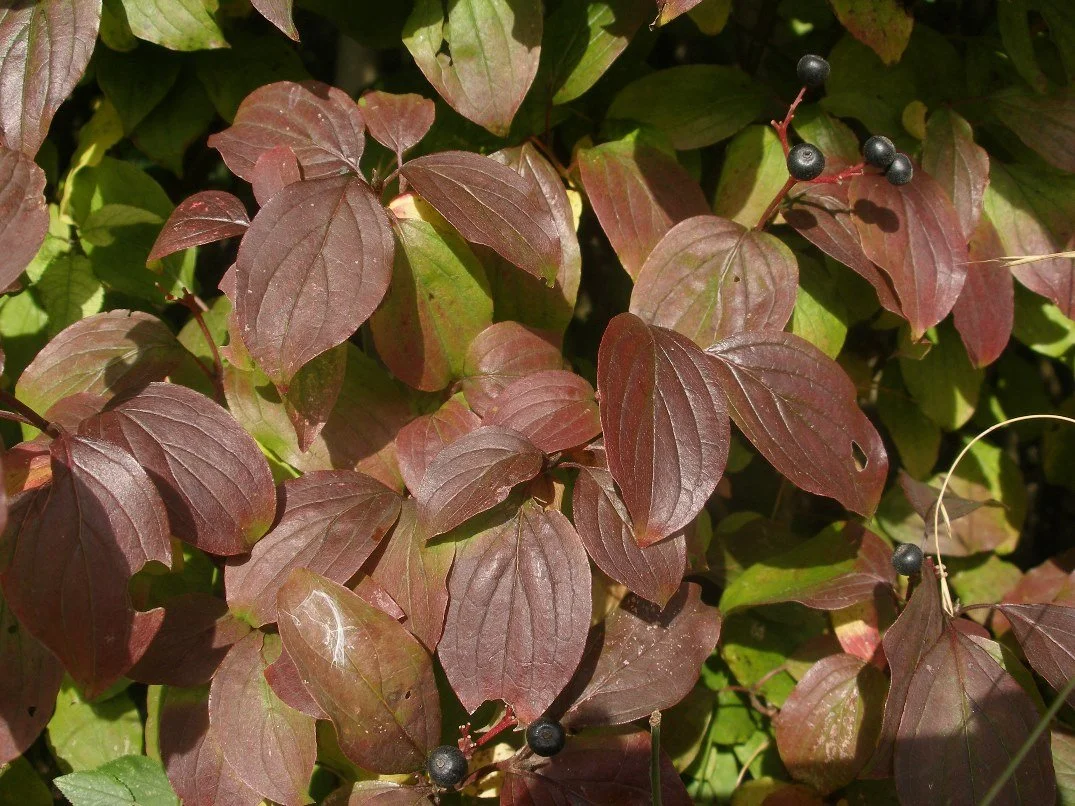
Dogwood | Cornus sanguinea
Rampantly spreading, dogwood brings shrubby autumn colour along ridge edges.
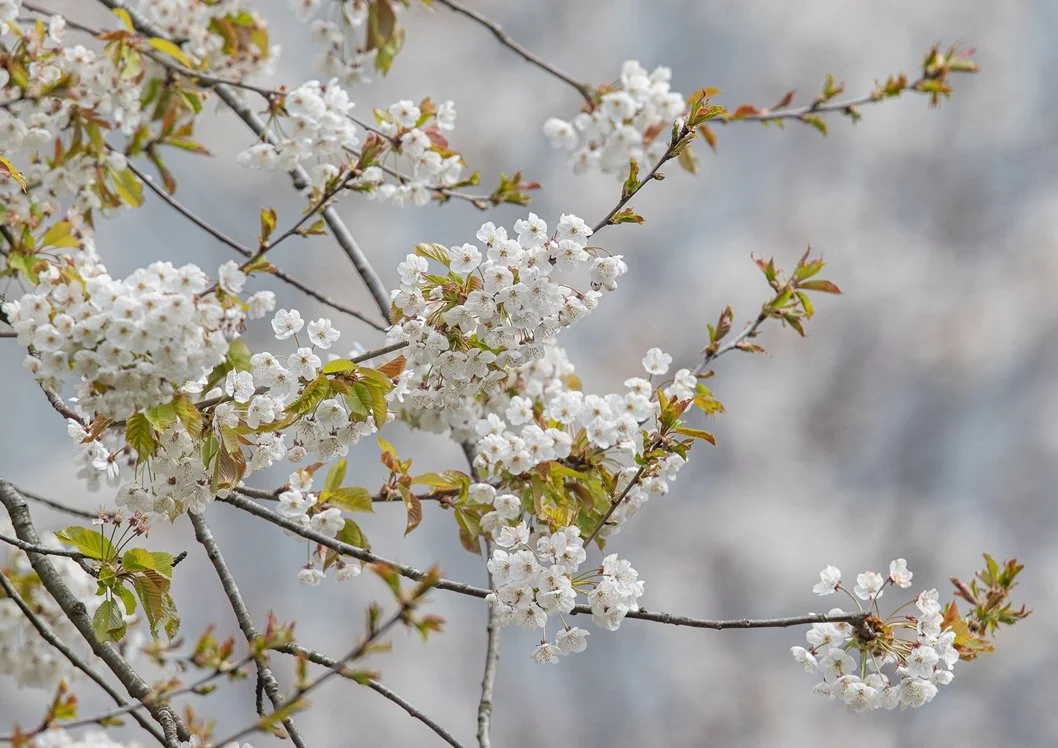
Wild Cherry | Prunus avium
Fast-growing ‘Mazzards’ provide gorgeous blossom in the spring for insects to nectar on - and cherries in the autumn for birds and mammals. They quickly need thinning otherwise they crowd each other out.
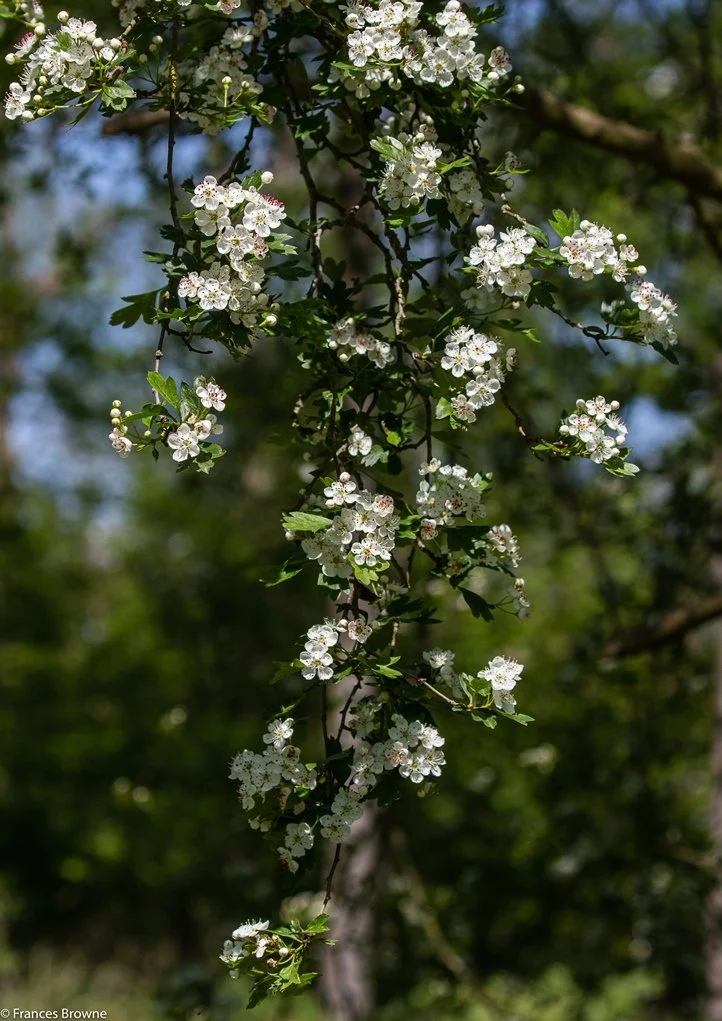
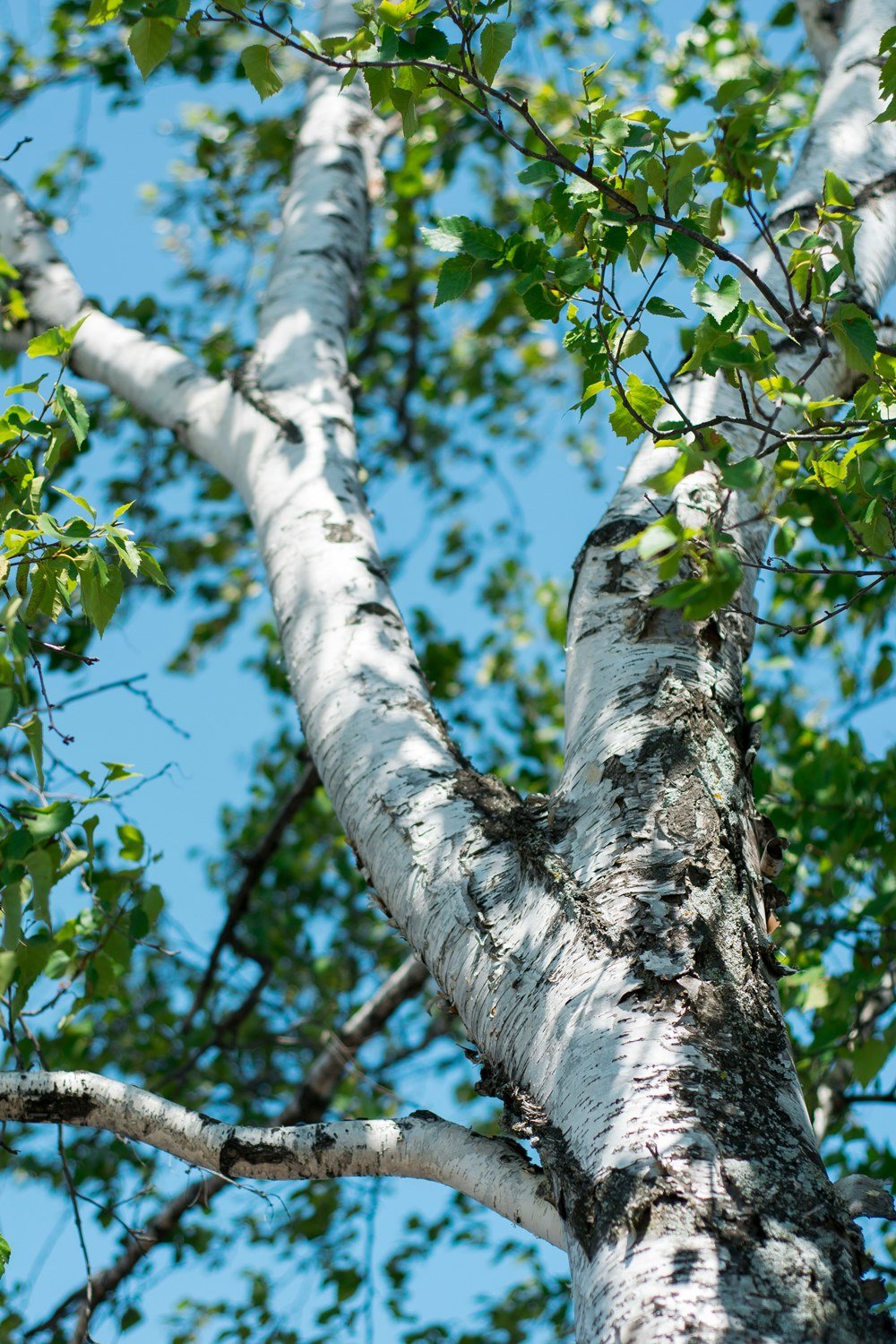
Hawthorn | Crataegus monogyna
This thorny shrub provides nectar for insects, berries for birds and small mammals.
Silver Birch | Betula pendula
The ‘Silver Ladies’ quickly brighten up any wood and their soft wood quickly provides rot-holes for hole-nesting birds. The parent shieldbug rears its young on the swaying leaves alongside munching caterpillars of numerous moth species. And when the tree dies, the fallen logs are fantastic for deadwood fungi.
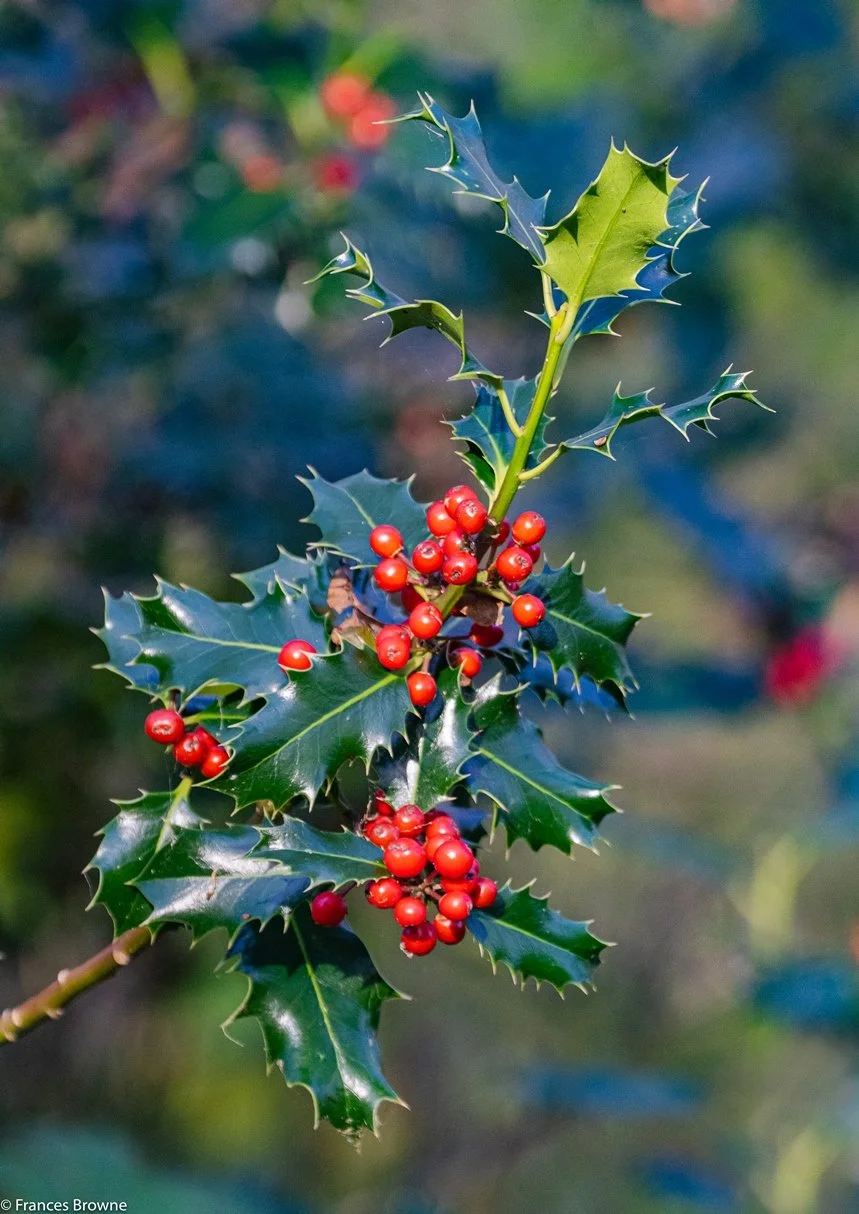
Holly | Ilex aquifolium
The holly has a rich legacy of myth, protection and seasonal symbolism. Ancient Druids and Celts viewed the evergreen leaves as a symbol of life and fertility through the dark winter. It provides wonderful shelter to wildlife in a harsh winter.
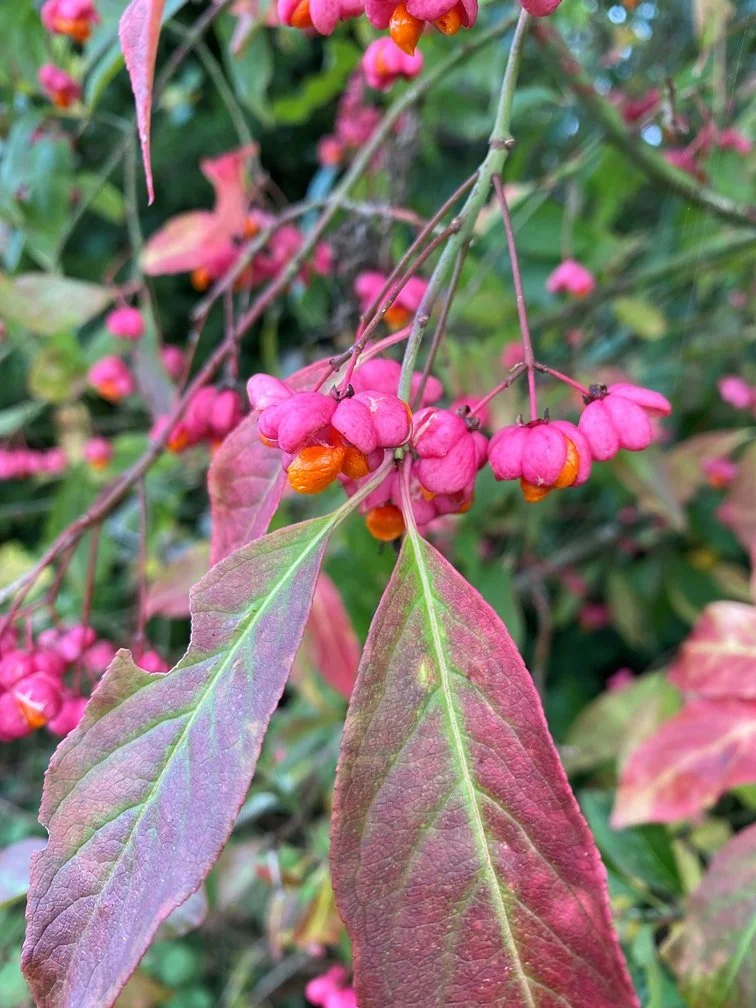
Spindle | Euonymus europaeus
These clashing wild pink and orange colours of autumn berries don’t sit naturally with nature but they sure do brighten up autumn!
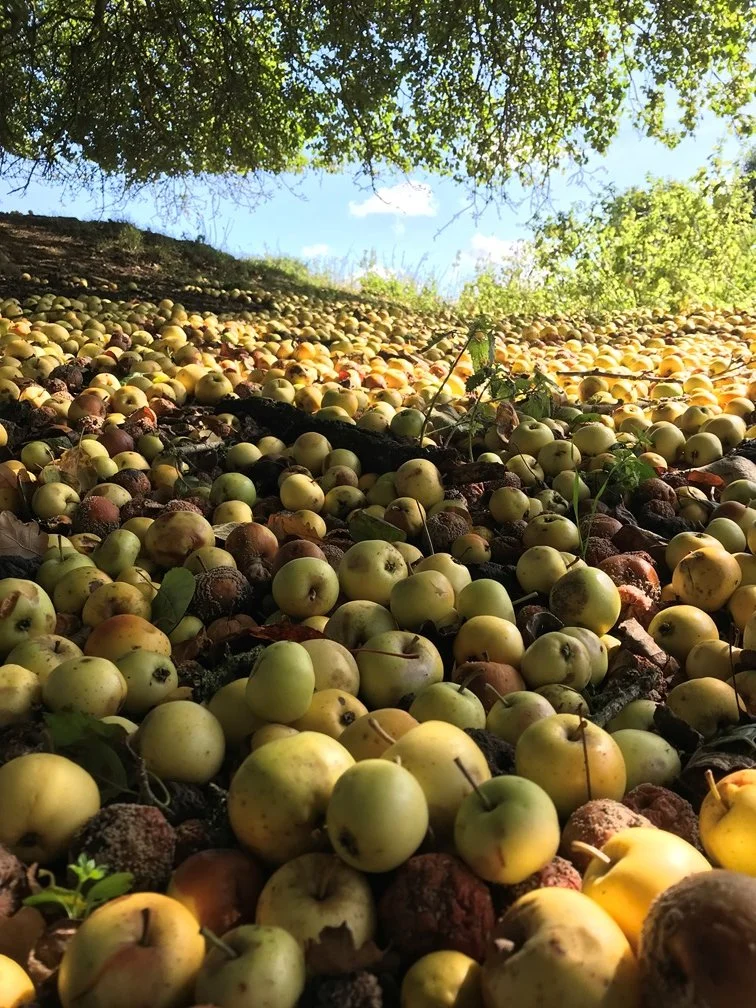
Crab apple | Malus sylvestris
Abundant apples for wildlife - and for making crab apple jelly!